 Sharen C Soucie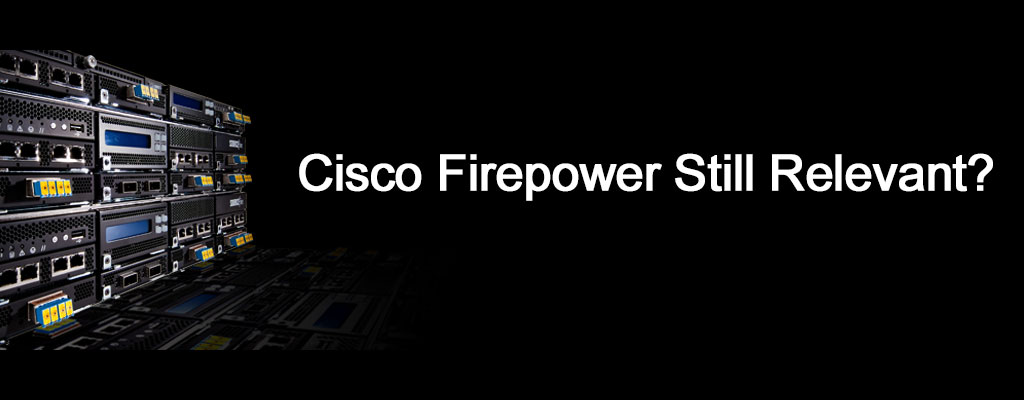
Cisco Firepower and the 300-710 SNCF exam occupy a peculiar place in 2026’s enterprise security landscape. They’re not the “hottest” topics in security conversations anymore—Palo Alto, Fortinet, and cloud-native SASE solutions dominate casual chatter and social media hype. Yet, if you step into a mid-size or large enterprise, you’ll often find Firepower deployed everywhere, quietly holding networks together.
So where does 300-710 SNCF actually fit in 2026? For security engineers who have wrestled with FMC policies, migrated ASA to FTD, or are managing hybrid on-premises and cloud security stacks, the certification remains a marker of operational credibility. It’s not about being trendy—it’s about proving you understand a network security environment that still runs mission-critical workloads every day.
🧭 The Reality of Cisco Secure Firewall in 2026
Enterprise Inertia and Hardware Refresh Cycles
Despite buzz around next-gen security platforms, many organizations run Firepower for reasons that aren’t immediately obvious. Large enterprises and government agencies often have refresh cycles stretching 5–7 years or longer. That means appliances purchased during the ASA era remain operational, patched, and mission-critical. Firepower’s durability and Cisco’s long-term support create a “stickiness” factor few vendors match. Even though engineers groan over FMC quirks, the reality is that this infrastructure isn’t going anywhere fast.

Hybrid ASA/FTD Environments
Most mid-to-large enterprises today operate hybrid environments. ASA firewalls coexist with FTD appliances, often controlled via centralized FMC deployments. Migration hesitation isn’t laziness—it’s operational pragmatism. Security teams can’t risk downtime during complex transitions, especially for VPNs, NAT policies, or Snort inspection rules. For candidates eyeing SNCF, this hybrid reality is exactly where the exam’s knowledge translates into practical value.
Secure Firewall Cloud Control and XDR Integration
Cisco’s push toward cloud-managed Secure Firewall and integration with Cisco XDR indicates a shift in strategy, but adoption is uneven. Some enterprises leverage Secure Firewall Cloud Control for centralized monitoring, while others rely on classic FMC deployments for granular operational control. Understanding both the on-prem and cloud paradigms is vital—not just for passing the exam, but for daily operational efficiency.
⚠️ Why Firepower Still Divides Security Engineers
FMC Management Complexity
Many seasoned engineers have a love-hate relationship with Firepower Management Center. While the GUI allows for centralized policy control, real-world usage often exposes limitations in troubleshooting, multi-device policy consistency, and logging performance. Engineers often complain about the “click-heavy” workflows compared to Palo Alto or Fortinet, and these operational realities are a big reason some security pros remain skeptical.
Snort 3 Transition and Policy Troubleshooting
Firepower’s core inspection engine, Snort 3, is a double-edged sword. Its performance is solid, but the way rules interact with NAT, VPNs, and access policies can create subtle headaches. Debugging false positives or misapplied policies can feel like a detective puzzle, and only engineers with hands-on exposure truly appreciate this complexity.
Operational Overhead and Engineer Frustrations
Even routine tasks like updating signatures, configuring SSL decryption, or deploying VPNs carry more operational overhead than competing stacks. These “small frictions” accumulate into genuine deployment headaches and are frequently discussed in internal team chats and forums. The nuanced reality is that Firepower works well, but the learning curve and management overhead remain significant.
💼 Where 300-710 SNCF Still Has Career Value
Enterprise Firewall Operations
Engineers managing enterprise firewalls benefit most from SNCF certification. Knowledge of FMC, FTD deployment scenarios, and Snort inspection nuances isn’t trivial. Employers still value professionals who can navigate these environments confidently without constant oversight.
MSSP and Cisco-Centric Environments
Managed Security Service Providers often standardize around Cisco technology for legacy clients. Here, SNCF certification signals practical competency to deploy, troubleshoot, and maintain multi-tenant FTD environments efficiently. The exam serves as a differentiator in hiring decisions for these roles.
Migration and Security Operations Integration
Firepower’s continuing presence in hybrid networks ensures SNCF remains relevant in migration projects. Engineers capable of ASA to FTD transitions, VPN integrations, or SecureX/XDR workflows bring immediate operational impact to teams—something entry-level certifications or purely cloud-focused learning paths can’t replicate.
📉 Where the Certification Is Losing Momentum
Cloud-Native Security and SASE Adoption
The growth of cloud-native security stacks and SASE offerings means new network deployments often bypass Firepower entirely. Engineers who focus exclusively on these trends may find SNCF less critical, as the exam doesn’t cover cloud-native policy models in depth.
Palo Alto and Fortinet Market Mindshare
In terms of industry buzz and social proof, Palo Alto and Fortinet dominate modern discussions. Engineers seeking visibility on LinkedIn or community forums may encounter more resonance with these vendors’ certifications. SNCF credibility is strong operationally, but less hyped culturally.
Modern Zero Trust Platform Impact
Zero trust adoption is real, and platforms such as Zscaler, Prisma Access, and Cisco’s own Duo/SASE stack are changing how enterprises architect security. While Firepower can integrate into zero trust models, its relevance in net-new deployments is shrinking.
🛠️ What Actually Makes SNCF Difficult
Troubleshooting Logic and Deployment Scenarios
SNCF isn’t difficult because of rote memorization—it’s tricky because it demands a logical mindset. Candidates must reason through policy hierarchies, NAT edge cases, and complex routing scenarios.
NAT, VPN Policies, and Snort Inspection
Understanding how NAT interacts with VPN tunnels or how Snort 3 rules inspect traffic at scale is where the real depth lies. Questions that appear “textbook” often have subtle operational implications.
Reading Cisco Documentation Critically
Cisco’s documentation is detailed but occasionally ambiguous. SNCF candidates are expected to sift through whitepapers, configuration guides, and deployment notes critically. Misreading a nuance can lead to operational mistakes—both in labs and real-world deployments.
📚 Best Preparation Approach Without Wasting Time
Lab Environments and Practical Scenario Exposure
Creating a realistic lab environment is non-negotiable. Candidates should replicate hybrid ASA/FTD deployments, simulate VPN connections, and experiment with policy conflicts. Theory alone doesn’t translate to operational confidence.
Blueprint Familiarization and Documentation Reading
Mapping exam objectives to the official blueprint ensures no wasted effort. Deeply reviewing Cisco deployment guides, known issues, and release notes prepares candidates for nuanced questions.
Subtle Resource Reference
A practical, subtle reference for exam preparation is Leads4Pass 300-710. It should be used to reinforce lab scenarios and blueprint coverage, not as a shortcut.
🧠 Final Verdict — Who Should Still Pursue 300-710 SNCF?
Ideal Candidates
Network security engineers in Cisco-centric enterprises, MSSPs, or hybrid FTD/ASA environments will find SNCF highly relevant. It validates operational know-how that hiring managers value, particularly in migration or policy-heavy roles.
Poor-Fit Candidates
Engineers focused exclusively on cloud-native security, SASE, or next-gen zero trust deployments may find the investment less impactful. Market hype and hiring recognition are weaker outside of Cisco-focused ecosystems.
Conclusion
The 300-710 SNCF certification isn’t a flashy badge in 2026, but its operational value is undeniable in certain enterprise contexts. Cisco Firepower remains relevant where legacy deployments, hybrid ASA/FTD networks, and centralized FMC management persist. SNCF shines for engineers navigating these environments, though it’s losing ground in greenfield, cloud-first projects. Ultimately, pursuing SNCF should be a strategic choice aligned with your career path, not a default credential chase. Engineers who invest wisely gain credibility, but they also need to maintain awareness of broader market shifts and alternative skill paths.
FAQs
1. Is 300-710 SNCF still relevant for enterprise firewall engineers in 2026?
Yes, particularly for engineers managing hybrid ASA/FTD environments, enterprise firewalls, and Cisco-centric deployments.
2. How does Cisco Firepower compare to modern competitors like Palo Alto and Fortinet?
Firepower is operationally solid but less hyped. Competitors may offer simpler management and greater market visibility, but Firepower dominates legacy enterprise deployments.
3. What are the main operational challenges with FMC and FTD?
Complex GUI workflows, policy troubleshooting, Snort rule management, and deployment overhead are common pain points among engineers.
4. Can cloud-native security trends render SNCF obsolete?
Not entirely. While greenfield cloud deployments may bypass Firepower, hybrid and legacy environments ensure SNCF retains value for specific career paths.
5. How should candidates prepare for the 300-710 SNCF without wasting time?
Focus on lab replication of hybrid scenarios, blueprint coverage, documentation review, and practical policy troubleshooting. Resources like Leads4Pass 300-710 can complement hands-on study.


 exam
exam
Recent Comments